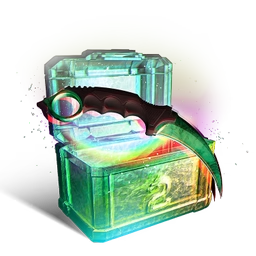
Few phenomena in modern gaming have captured the intersection of video games and economics quite like Counter-Strike: Global Offensive (and its successor, Counter-Strike 2) weapon cases. What started as a simple cosmetic update in 2013 evolved into a multi-million-dollar virtual economy.
For newcomers and seasoned veterans alike, understanding how CS:GO cases work requires a dive into probability, market economics, and Valve’s carefully calibrated drop systems. This comprehensive guide explores everything one needs to know about cases, keys, odds, and the virtual marketplace.
What is a CS:GO Case?
A CS:GO case is a virtual container holding a random weapon skin, knife, or pair of gloves. Introduced during the “Arms Deal” update, cases function essentially like digital trading cards or loot boxes. To open a case, players must purchase two items:
- The Case: Acquired as random drops at the end of matches, via the weekly care package, or purchased on the Steam Community Market.
- A Key: Purchased directly in-game for a static price of £2.50 GBP (or regional equivalent).
Once opened, the container is consumed, and the player is granted a cosmetic item dictated by a pre-determined drop algorithm.
The Anatomy of a CS:GO Case Drop System
Not all items found inside a case hold the same value or rarity. Valve utilizes a strict color-coded rarity tier system that dictates the likelihood of unboxing a specific item.
Rarity Tiers and Approximate Drop Odds
| Rarity Level | Color Code | Estimated Drop Odds | Description |
|---|---|---|---|
| Consumer Grade | White | N/A | Base-tier items (rarely found in cases directly). |
| Industrial Grade | Light Blue | ~79.92% | Common case drops, often standard-looking skins. |
| Mil-Spec | Dark Blue | ~15.98% | Uncommon skins, the most frequent drops in standard cases. |
| Restricted | Purple | ~3.2% | Rare skins with noticeable design work. |
| Classified | Pink | ~0.64% | Highly sought-after skins with intricate designs. |
| Covert | Red | ~0.13% | The pinnacle standard weapon skins in the game. |
| Special (Exceedingly Rare) | Gold | ~0.26% | Knives, gloves, or special rare gloves/melee items. |
Note: There is also an approximate 10% chance that any weapon skin dropped will feature StatTrak™ technology, which tracks the number of kills made with that specific weapon.
Types of Cases in the CS:GO Ecosystem
Over a decade of updates, Valve has released dozens of cases. They generally fall into three distinct categories:
- Active Drop Pool Cases: These are cases currently dropping to players playing on official servers. They are relatively inexpensive on the community market.
- Rare/Discontinued Drop Pool Cases: Older cases that no longer drop actively after matches. Instead, they have a very small chance of dropping to players upon leveling up, causing their market prices to appreciate significantly over time.
- Commemorative/Major Championship Packages: Souvenir packages dropped during Valve-sponsored Major tournaments. These do not require a key to open and feature gold stickers commemorating specific matches and players.
The Economics of Unboxing: Is It Worth It?
Mathematically speaking, opening CS:GO cases is a negative-expected-value proposition. The vast majority of items unboxed are worth significantly less than the £2.50 cost of the key. However, the allure of unboxing a rare knife worth hundreds—or thousands—of dollars drives millions of openings daily.
Factors Influencing Skin Prices
- Float Value (Wear): Skins range from Factory New to Battle-Scarred. Lower wear values generally command higher prices.
- Pattern Index: Certain patterns (like the “Blue Gem” Karambit Case Hardened) can dramatically inflate an item’s value beyond standard market rates.
- Supply and Demand: Discontinued cases mean fewer skins are opened, driving up the price of both the case and its contents.
Best Practices for Managing Your Inventory
For players looking to interact with the CS:GO economy without breaking the bank, adhering to a few best practices is recommended:
- Set a Budget: Treat case openings like entertainment or gambling. Never spend money you cannot afford to lose.
- Buy Singles: If you want a specific skin, purchasing it directly from the Steam Community Market or third-party marketplaces is almost always cheaper than trying to unbox it.
- Hold or Sell Cases: Earning a rare drop case and selling it immediately on the market is a reliable way to slowly build a Steam wallet balance without risking cash.
- Understand Trade Restrictions: Items purchased or unboxed are subject to a 7-day trade and market cooldown.
Frequently Asked Questions (FAQ)
1. Do I need a key to open every CS:GO case?
Yes. Every standard weapon case requires a key purchased for £2.50 GBP to open. The only exceptions are Souvenir Packages, which can be opened for free.
2. Can I get a knife from any case?
No. Knives (and gloves) are tied to specific case types. You must check the contents list of a specific case to see which rare special items are available inside it.
3. Are the odds of unboxing items rigged?
The odds are fixed by algorithms designed by Valve. While exact exact percentages are occasionally calculated through massive crowd-sourced data projects by the community, the odds heavily favor the house, meaning long-term profit from unboxing is statistically rare.
4. What is StatTrak™?
StatTrak™ is a special feature that can be randomly applied to weapon skins. It features a physical digital counter on the weapon model that tracks confirmed player kills in competitive and casual matches.
5. Can I transfer my CS:GO cases and skins to Counter-Strike 2?
Yes! Valve carried forward the entire inventory system from CS:GO into Counter-Strike 2. All cases, keys, and skins remain fully accessible and visually upgraded in the new engine.
Browse CS2 skin designs and learn how a CSGO Cases shapes your inventory, from coveted rare drops to colorful weapon finishes.